
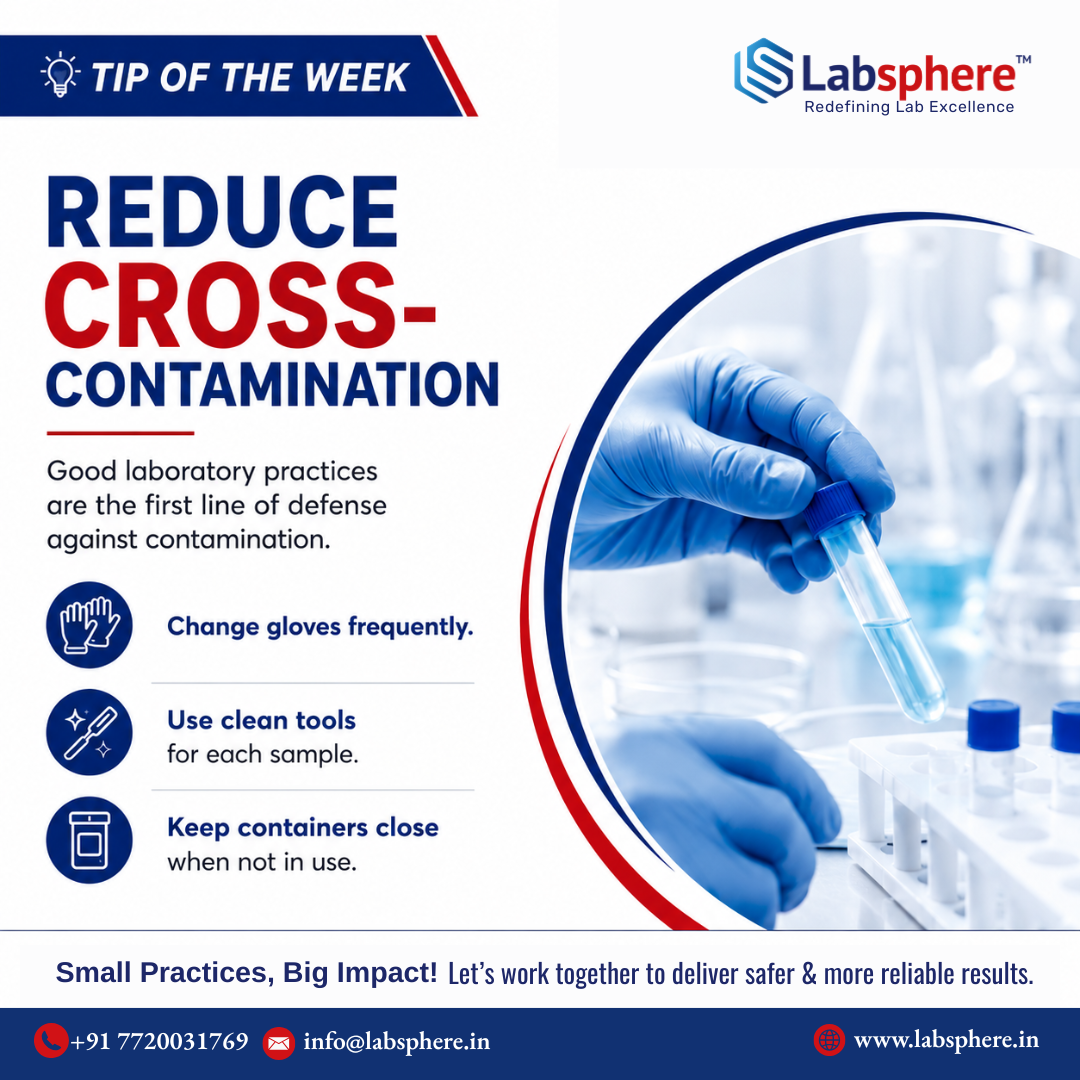
Why Good Laboratory Practices Matter
Every laboratory strives to generate accurate, consistent, and dependable results. While advanced instruments and validated methods are essential, the success of any experiment also depends on following good laboratory practices. One of the most important of these is preventing cross-contamination.
Cross-contamination can occur when unwanted substances, microorganisms, or residues are unintentionally transferred from one sample, surface, or instrument to another. Even a small amount of contamination can compromise sample integrity, affect test results, lead to repeat analyses, and increase operational costs.
At Labsphere, we understand that maintaining clean laboratory workflows starts with the right practices and the right laboratory products. As a trusted supplier of laboratory consumables and equipment, we are committed to supporting laboratories with solutions that help improve efficiency, consistency, and confidence in daily operations.
What Is Cross-Contamination?
Cross-contamination is the accidental transfer of contaminants between samples, equipment, reagents, or work surfaces. It can occur at any stage of the laboratory workflow—from sample collection and preparation to analysis and storage.
Common sources include:
- Improper handling of samples
- Reusing contaminated tools
- Unclean work surfaces
- Inadequate storage practices
- Poor personal protective equipment (PPE) hygiene
- Improperly sealed sample containers
Recognizing these risks is the first step toward creating a safer and more controlled laboratory environment.
Why Prevention Is Important
Preventing cross-contamination is not only about protecting samples—it also helps laboratories maintain productivity and confidence in their results.
Effective contamination control can help:
- Improve the consistency of experimental results
- Protect valuable and limited samples
- Reduce the need for repeat testing
- Support laboratory quality systems
- Maintain clean and organized workspaces
- Improve overall workflow efficiency
Small daily habits often make the biggest difference in achieving these outcomes.
Simple Practices to Reduce Cross-Contamination
1. Change Gloves Frequently
Gloves are your first barrier against contamination, but they can also become a source of contamination if used for multiple tasks without replacement.
Change gloves regularly, particularly after handling different samples, chemicals, or biological materials. Replace damaged gloves immediately and avoid touching unnecessary surfaces while wearing them.
2. Use Clean Tools for Every Sample
Whenever possible, dedicate clean tools to each sample or ensure they are thoroughly cleaned before reuse.
Using fresh pipette tips, clean spatulas, and properly maintained laboratory accessories helps minimize the risk of transferring residues between samples.
3. Keep Containers Closed When Not in Use
Leaving sample containers open unnecessarily increases the chance of airborne particles, dust, or microorganisms entering the sample.
Closing containers immediately after use helps protect sample integrity and reduces exposure to the surrounding environment.
4. Maintain a Clean Work Area
A well-organized laboratory bench is easier to clean and reduces the likelihood of accidental contamination.
Regularly disinfect work surfaces, remove unnecessary materials, and dispose of waste according to laboratory protocols.
5. Follow Standard Operating Procedures
Every laboratory should have clear procedures for sample handling, cleaning, storage, and waste disposal.
Consistently following established SOPs helps ensure uniform practices across the laboratory and reduces avoidable errors.
The Role of Laboratory Consumables
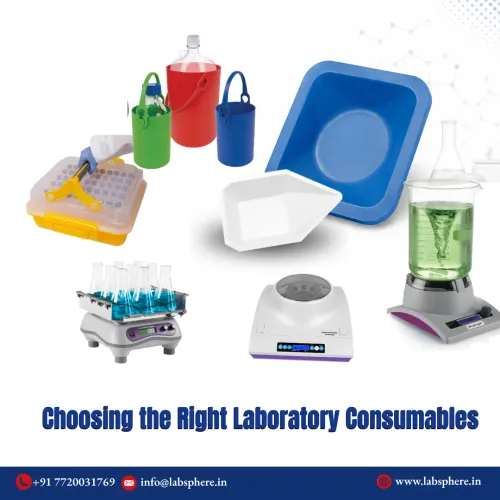
Choosing appropriate laboratory consumables also contributes to contamination control. Disposable accessories, sterile products where required, and properly designed sample handling tools can help reduce unnecessary contact with samples and simplify laboratory workflows.
Whether handling biological specimens, preparing analytical samples, or transporting materials, selecting products designed for the intended application supports safer laboratory practices and more consistent outcomes.
Labsphere: Supporting Better Laboratory Practices
At Labsphere, we believe that laboratory success is built on more than advanced equipment—it also depends on everyday practices and dependable laboratory consumables.
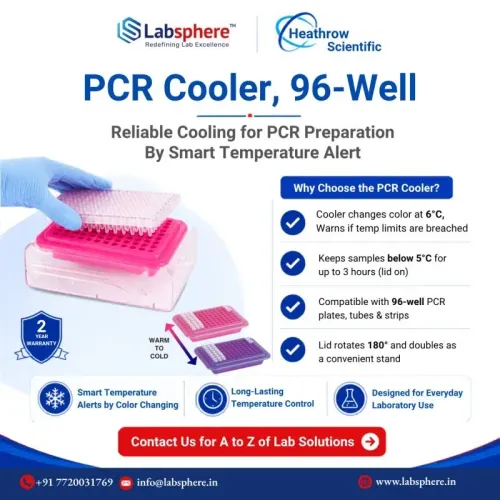
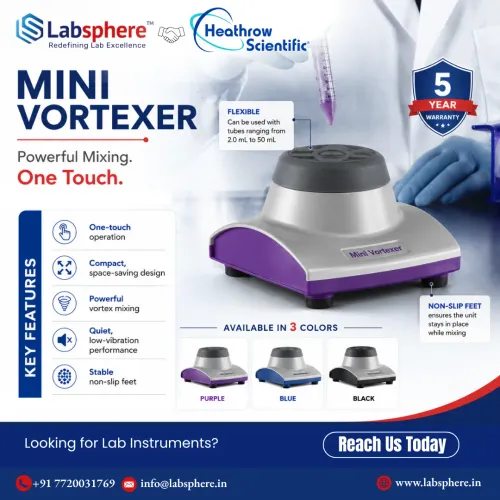
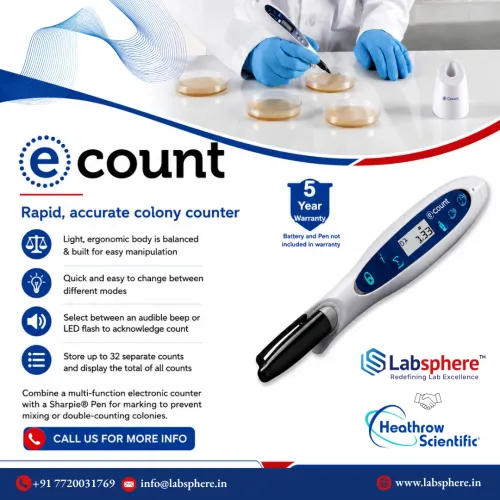
As the Exclusive Distribution Partner for Heathrow Scientific in India, we provide laboratories with a broad range of products designed to support sample preparation, handling, storage, and transport. Our portfolio is carefully selected to help researchers, quality control professionals, healthcare laboratories, and industrial facilities maintain efficient workflows and high standards of laboratory practice.
Beyond supplying products, we are committed to sharing practical knowledge that helps laboratories improve everyday operations and strengthen good laboratory practices.
Small Habits, Better Results
Preventing cross-contamination doesn't always require complex procedures. Simple habits—such as changing gloves frequently, using clean tools for every sample, keeping containers closed when not in use, and maintaining an organized workspace—can make a meaningful difference in protecting sample integrity and improving laboratory efficiency.
By combining good laboratory practices with quality consumables, laboratories can reduce avoidable errors and create a safer, more consistent working environment.
If you're looking for trusted laboratory consumables and expert guidance to support your laboratory workflows, Labsphere is here to help.
Contact us today to learn more about our laboratory solutions and product range.
📞 +91 7720031769
📧 info@labsphere.in
🌐 www.labsphere.in
Labsphere – Supporting laboratories with trusted products and practical solutions for everyday scientific work.